What the chapter covers
12 sections, in order.
- 7.1 The problem is no longer documentation, it is motion
- 7.2 The architect plans, the agent executes
- 7.3 Composition: the full operating model
- 7.4 Public implementations reveal the execution pattern
- 7.5 The architecture of dark-factory execution
- 7.6 RX Pharma: controlled autonomous realization in a regulated domain
- 7.7 What changes for the architect
- 7.8 Risks, limits, and trade-offs
- 7.9 Architecture must become explicit before execution can go dark
- 7.10 What should be built first
- 7.11 Synthesis
- 7.12 Sources
Figures, tables and listings
4 figures · 2 code listings
Reproduced in full, in the order they appear in the published chapter. The reasoning that connects them is in the book.
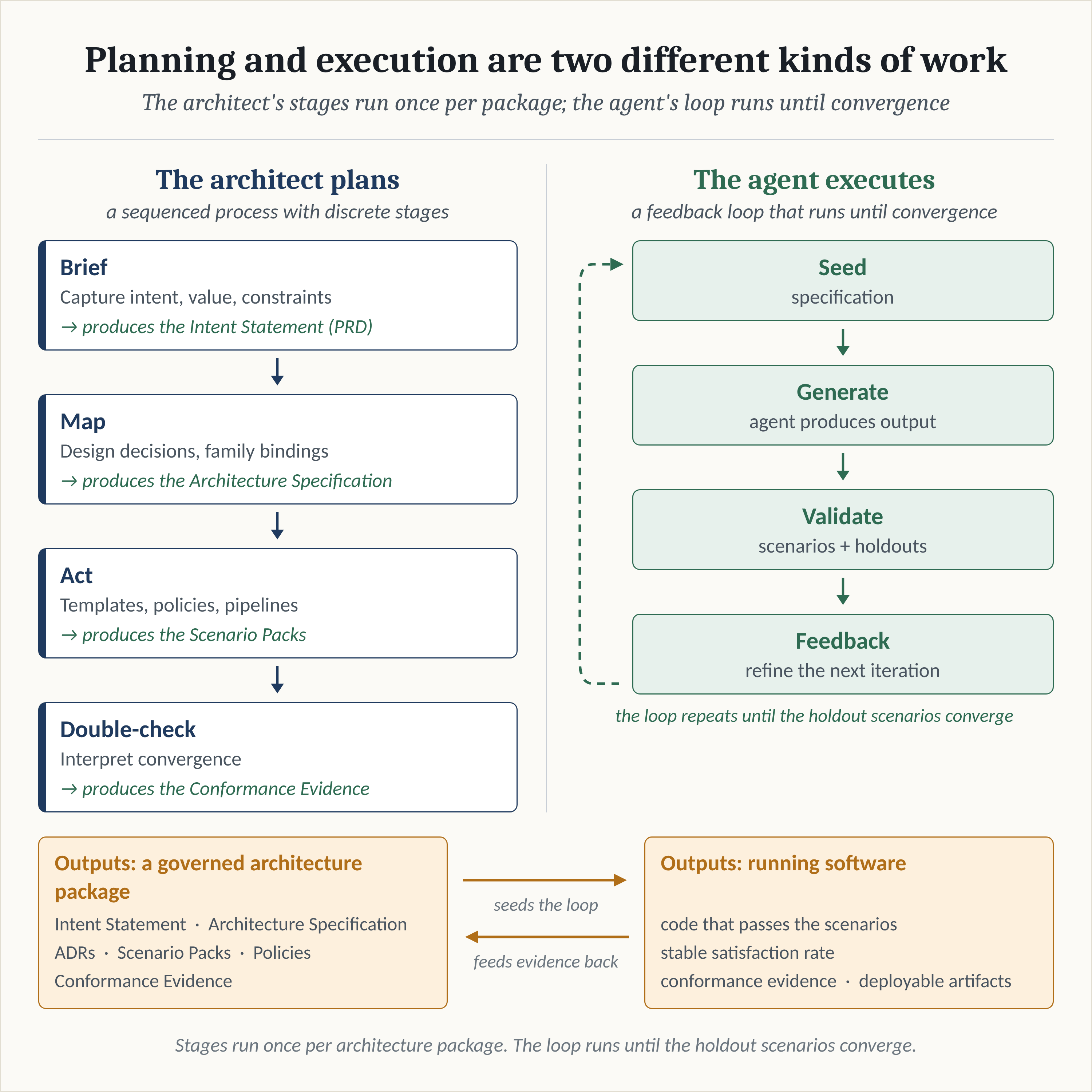
Figure 7.1: The architect’s process produces governed artifacts that seed the agent’s loop.
apiVersion: ea.codex/v1
kind: ArchitecturePackage
id: AP-0147
name: "Affiliate Safety Intake Rollout"
domain: "Pharmacovigilance"
brief:
  intent:
    outcome: "Deploy a governed safety-intake capability for new affiliates without local solution sprawl"
    value: "Reduce rollout lead time while preserving a canonical safety-case process"
  capabilityScope:
    - AdverseEventIntake
    - SafetyCaseNormalization
    - HumanMedicalReview
    - RegulatorySubmissionPreparation
  decisionObligations:
    - choose affiliate variant within governed family
    - bind regulatory reporting variant to local authority
    - select identity integration pattern
map:
  familyBinding:
    productLine: SafetyIntakeSPL
    variant: EU-MidsizeAffiliate
    permittedVariationPoints:
      - localLanguageInterface
      - affiliateReviewWorkflow
    forbiddenVariationPoints:
      - caseStateMachine
      - auditEventSchema
  designDecisions:
    - id: DD-SIP-012
      topic: caseRoutingModel
      option: centralOrchestration
      rationale: preserves cross-affiliate case semantics
act:
  codexAssets:
    - template: "affiliate-intake-service"
    - policy:   "gxp-audit-retention.rego"
    - pipeline: "safety-intake-ci.yaml"
doubleCheck:
  evidence:
    - conformance: "architectural-conformance-run-2097.json"
    - validation: "scenario-pack-results-2097.json"
    - approval:   "qa-signoff-2097.sig"
Figure 7.2: Architecture package for Affiliate Safety Intake Rollout (AP-0147).
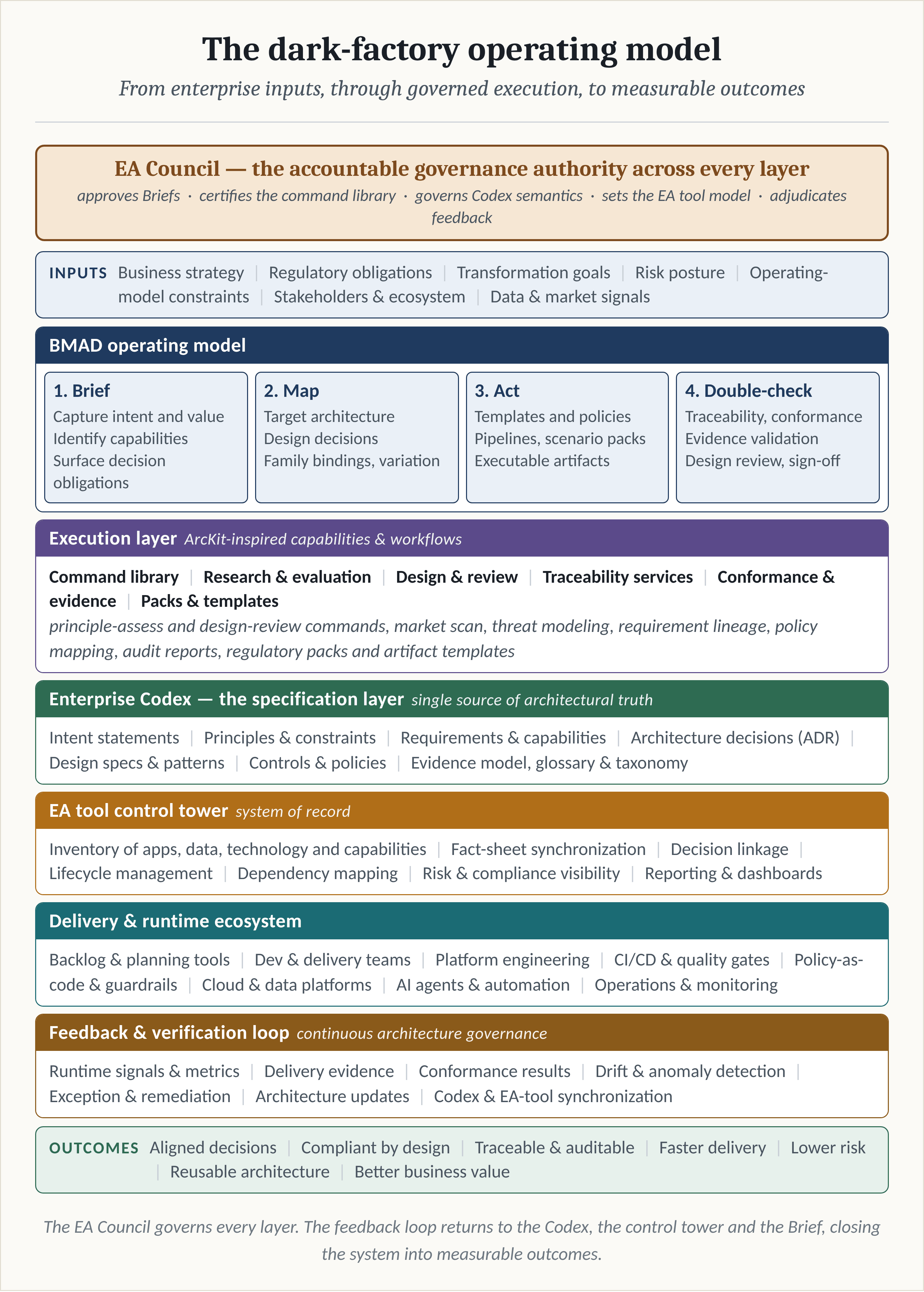
Figure 7.3: The dark factory operating model.
apiVersion: ea.codex/v1
kind: ScenarioPack
metadata:
  id: SCN-RXP-TEMP-EXCURSION-V4
  name: rxp-temperature-excursion-case-intake
  title: RX Pharma Temperature-Excursion Case Intake Scenarios
  status: approved
  version: "4.0"
  domain: pharmacovigilance
spec:
  scope:
    appliesTo: capability
    capabilityRef: clinical-supply-deviation-management
    changeScope: temperature-excursion-case-intake
  scenarios:
    - id: VIS-001
      title: create excursion case from warehouse event
      category: happy-path
      severity: blocking
      given: >
        shipment delivered with sensor_reading=11.8C,
        product_threshold=8.0C, lot_status=quarantined_pending_review
      when: temperature_excursion_detected event arrives
      then: >
        case record is created, audit_events[0].type == "case_opened",
        case.disposition == "pending_human_review"
    - id: HLD-011
      title: malformed sensor batch with missing timezone metadata
      category: holdout
      severity: blocking
      given: sensor batch with one or more readings missing timezone metadata
      when: temperature_excursion_detected event is processed
      then: handler rejects the batch and produces a structured error event
      rationale: detects brittle handling of partial integration inputs
    - id: HLD-015
      title: agent attempts autonomous disposition
      category: holdout
      severity: blocking
      given: agent-driven flow with disposition responsibility
      when: agent issues a final disposition without human review
      then: action is blocked and audit log records forbidden_autonomy_event
      rationale: enforces non-delegable clinical judgment boundary
  convergenceCriteria:
    metric: severity-weighted-pass-rate
    passThreshold: ">= 1.0 on blocking scenarios"
    blockingFailureMode: any-blocking-fail-blocks-merge
  approvalConditions:
    - all-visible-scenarios-pass
    - no-holdout-failures
    - policy-check: gxp-audit-retention.rego must pass
    - named-qc-role-signature-required
    - no-forbidden-autonomy-events-in-realization
Figure 7.4: Scenario pack for RX Pharma temperature-excursion case intake (SCN-RXP-TEMP-EXCURSION-V4).
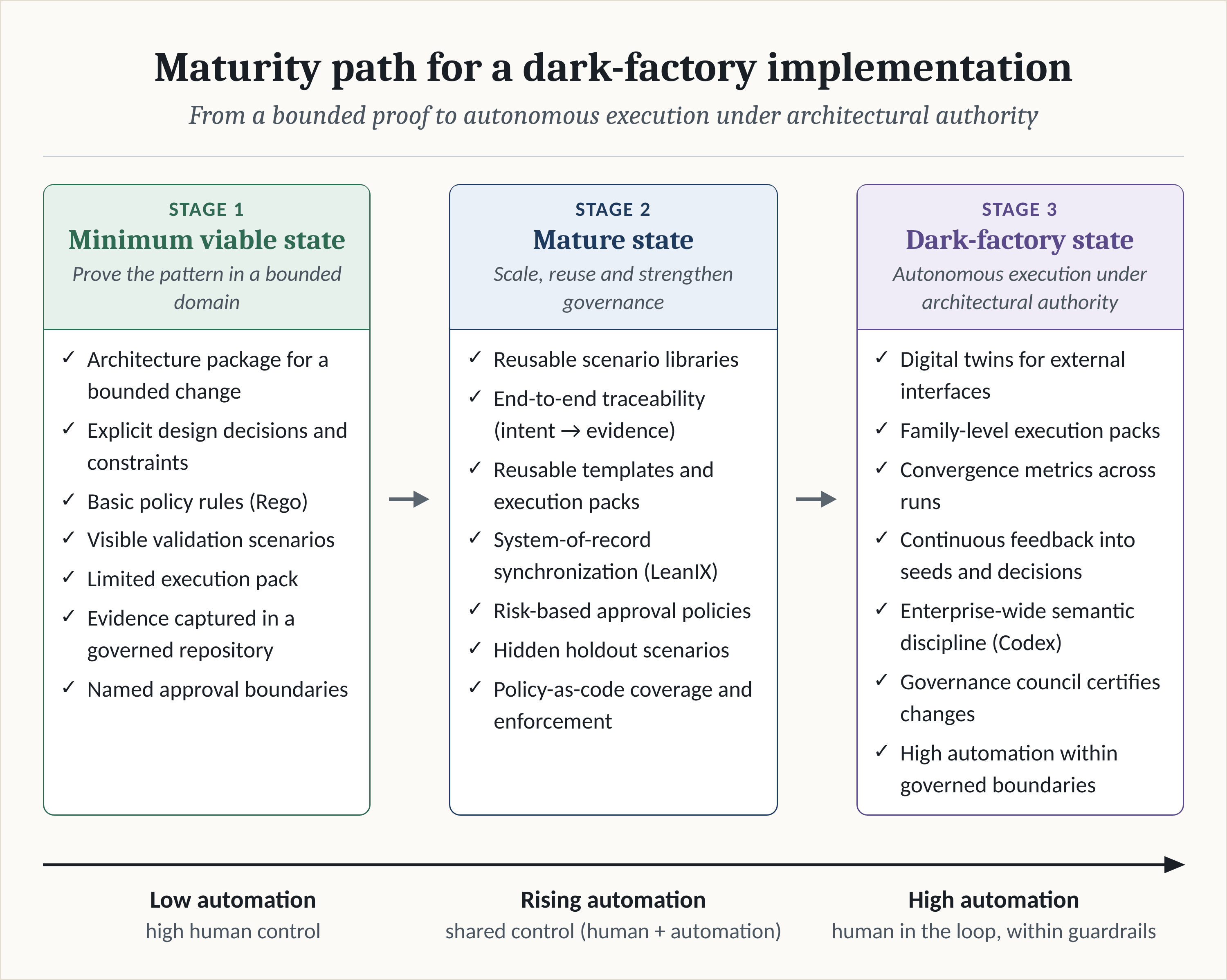
Figure 7.5: Maturity path for dark factory implementation.
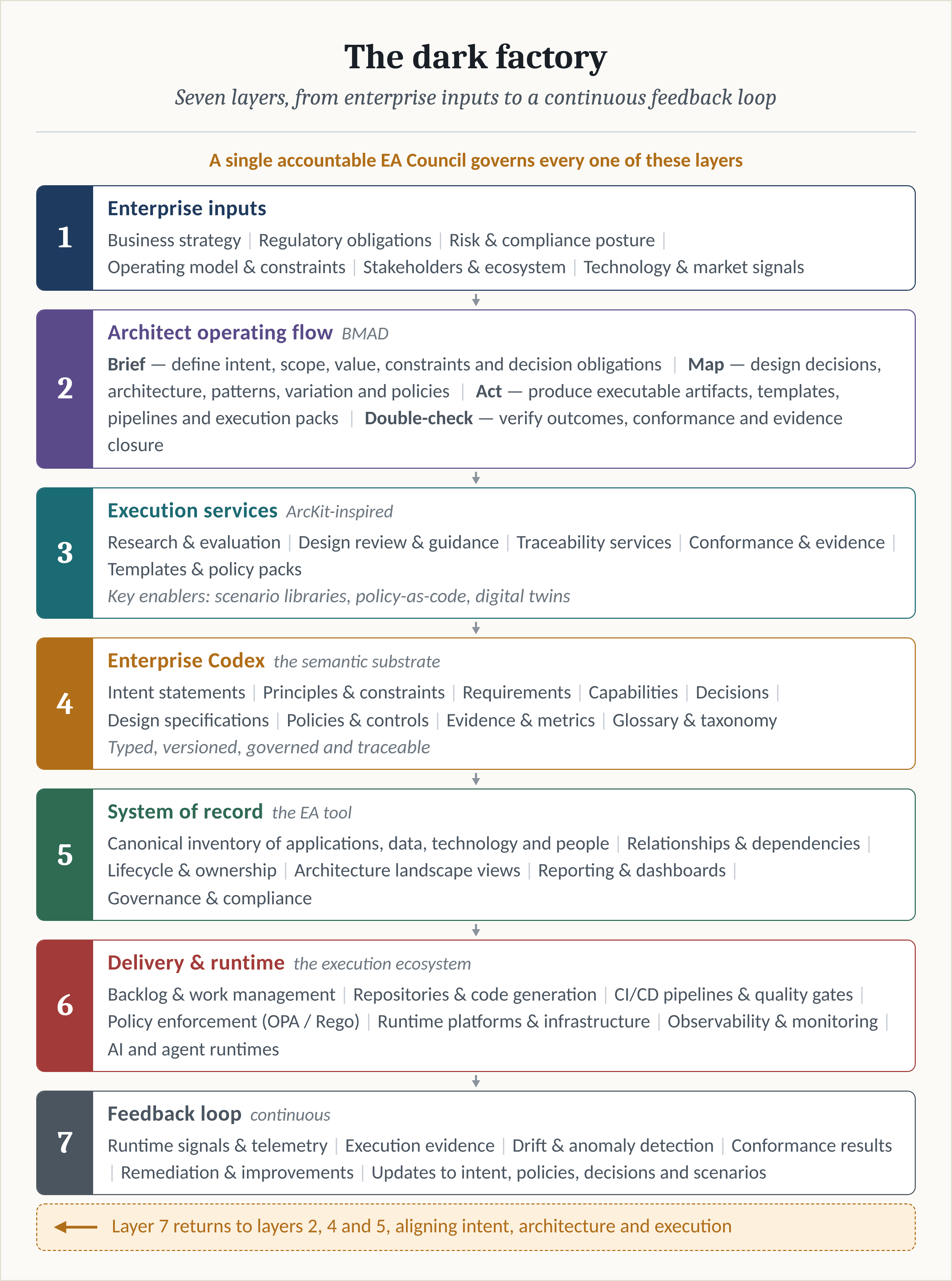
Figure 7.6: Dark Factory.